

“Being the first to cross the finish line makes you a winner in only one phase of life. It’s what you do after you cross the line that really counts.” Ralph Boston
“The key is that I control my life; my life doesn’t control me.” Gabrielle Reece
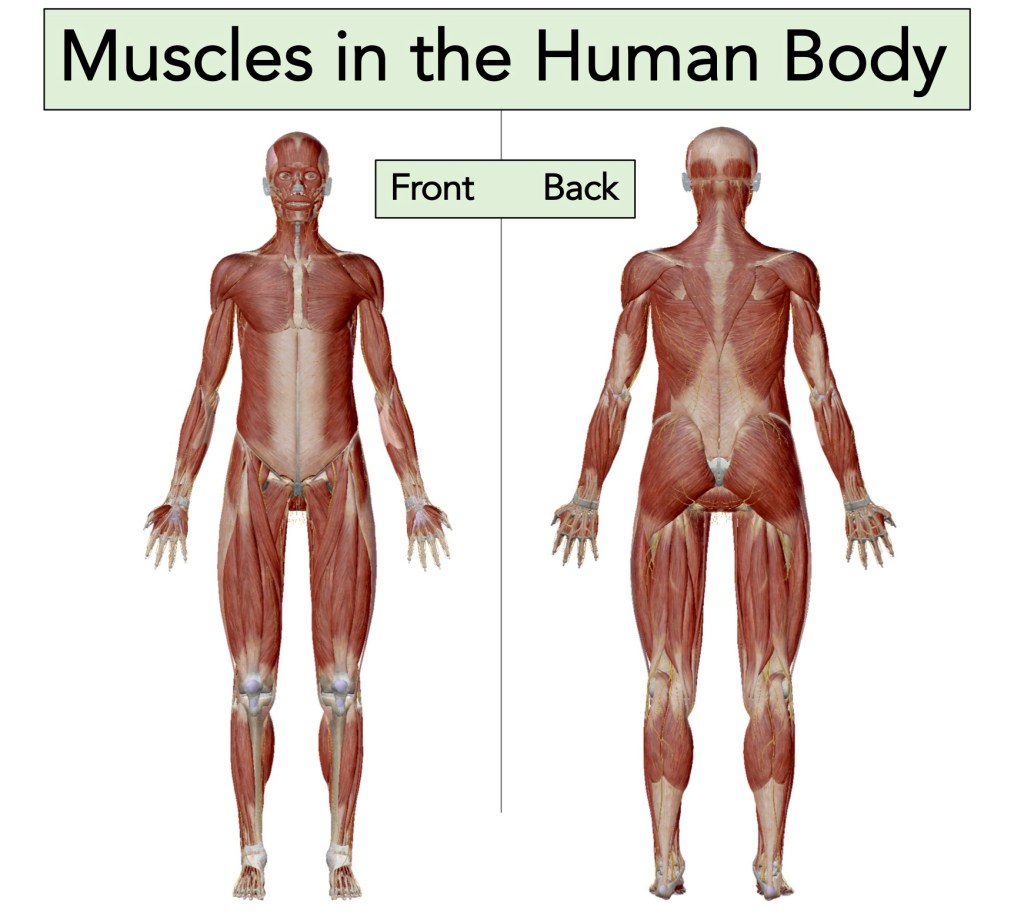
The Musculoskeletal System: Muscles work together with bones to help us move. Muscles and bones are part of the musculoskeletal system. There are more than 650 muscles in the human body. This blog post concerns a common motor symptom of Parkinson’s, specifically, muscle stiffness (or rigidity).
“Everybody is looking for instant success, but it doesn’t work that way. You build a successful life one day at a time.” Lou Holtz
Remember the Cardinal Signs of Parkinson’s: Parkinson’s begins due to the loss of dopaminergic neurons in the mid-brain substantia nigra pars compacta. Of course, embedded in our memory are the Cardinal Signs of Parkinson’s, including bradykinesia (slowness of movement), tremor (trembling in hands, arms, legs, jaw, and face), muscle rigidity (stiffness of the limbs and trunk), and impaired gait and posture.
For most of us, muscle rigidity (and the resultant dysfunction) begins on one side and, with time, migrate to both sides of the body. My issues all pertain to my right arm and leg and the right side of my back. The symmetry is quite remarkable. And through it all, I remain a “weekend warrior” about sports, especially golf. What follows is a brief description of some of my injured muscles in the past decade. I will leave the overview of recent knee surgery (bilateral meniscal cartilage removal and cleaning up the area) and lower back procedure (Interlaminar Epidural Steroid Injection) for a future blog post/update.
Since there are many different and equally important muscles in our back and legs, why these particular muscles? That is a good question. Primarily, these are the supporting muscles that seem to fatigue more quickly than others, and thus, these are the muscles that have led me to seek out physical therapists to help me repair the damage, bolster the area with knowledge, because I am likely to injure these same muscles all over again.
“The difference between a winner and a loser is, many times, a matter of inches. If you think you can do it, most of the time you’ll do it.” Nancy Lieberman
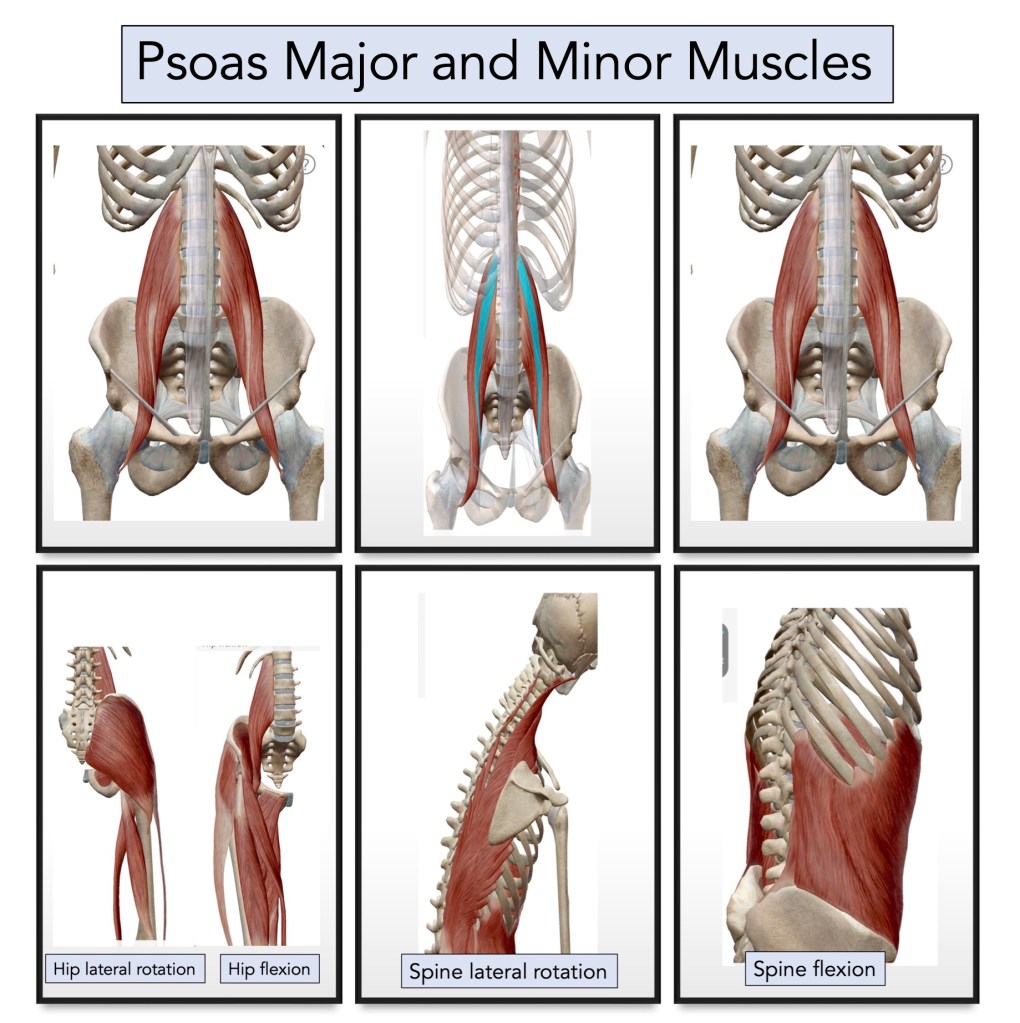
The Psoas Muscle: Siccardi et al. (2023) said this about the psoas muscle, “The psoas muscle is among the most significant muscles that overlie the vertebral column. It is a long fusiform muscle on either side of the vertebral column and the brim of the lesser pelvis. It combines with the iliacus muscle at its distal end to form the iliopsoas muscle.”
The function of the psoas muscle is to connect the upper body to the lower body, the outside to the inside, and the front to the back. The psoas is a significant contributor to the flexion of the hip joint. Thus, the psoas has a function related to hip lateral rotation, hip flexion, and spine lateral flexion. Sitting for long periods is also detrimental. Over time, sitting may shorten the psoas, further restricting the ability to move.
“If you don’t think like a winner, you’re not going to be a winner.” Zak Kustok
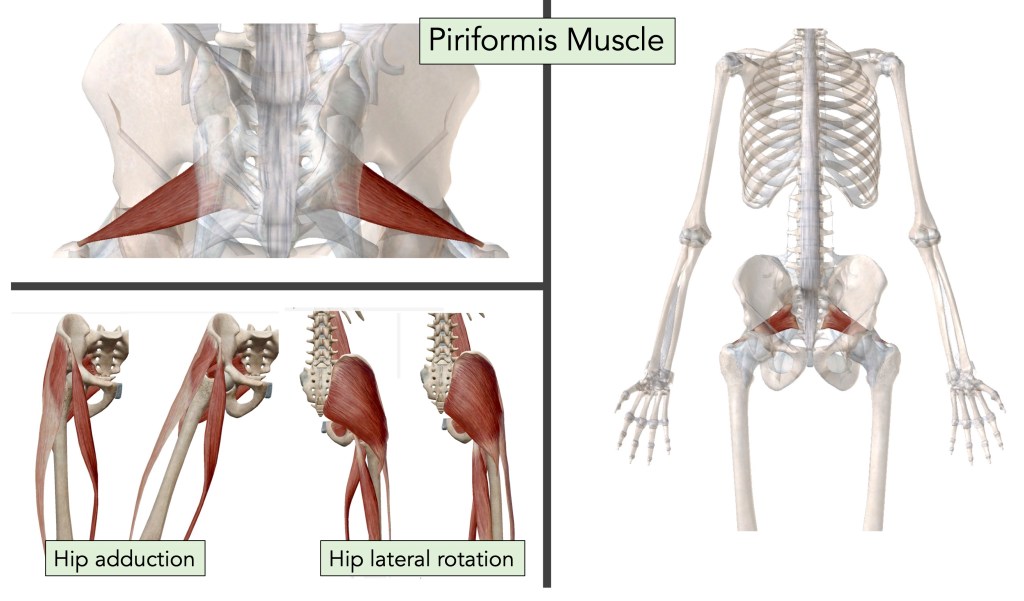
The Piriformis Muscle: Chang et al. (2024) said this about the piriformis muscle, “The piriformis is a flat, pear-shaped muscle located in the gluteal region. This muscle originates from several anatomical locations, namely, the anterior surface of the sacrum, the spinal part of the gluteal muscles, the superior gluteal surface of the ilium near the margin of the greater sciatic notch, the capsule of the adjacent sacroiliac joint, and sometimes, the sacrotuberous ligament.”
The piriformis muscle is involved in hip adduction and hip lateral rotation. The piriformis muscle allows your leg and foot to turn outward. Although oddly situated, the piriformis muscle is critical for everyday motion.
“Losing feels worse than winning feels good.” Vin Scully
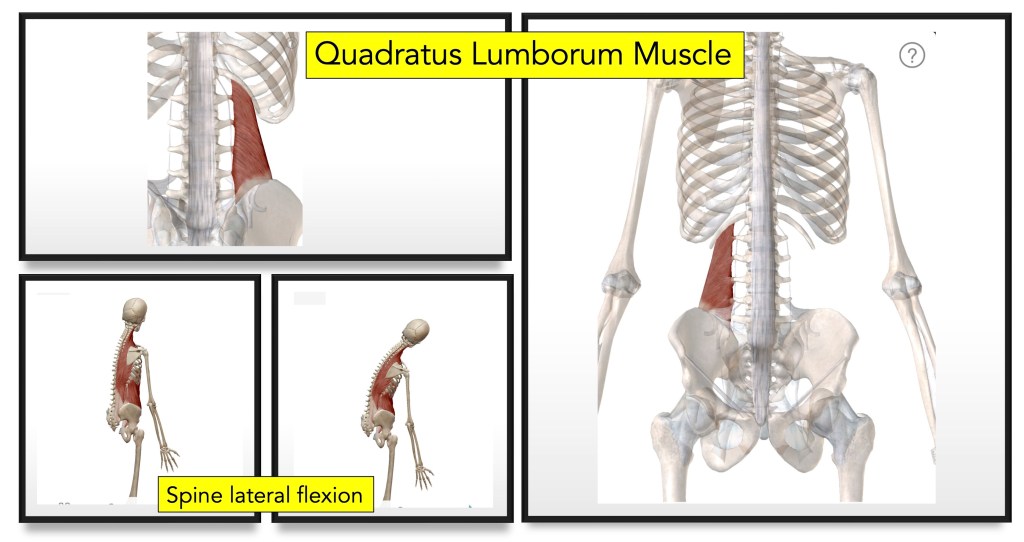
Quadratus Lumborum (QL ) Muscle: Bordoni et al. (2024) said this about the QL, “The quadratus lumborum is a muscle in the posterior inferior trunk lateral to the spine. This muscle attaches to the iliac crest, the transverse processes of lumbar vertebrae 1 to 4, and the 12th rib. The quadratus lumborum’s complex organization makes it difficult to precisely identify its actions through the contraction of its fibers. This muscle is an integral part of the thoracolumbar fascia. Uncertainty persists about whether a quadratus lumborum abnormality is the primary source of back pain. This muscle potentially acts as a junction of the forces exerted by the neighboring muscles, influencing the vectors of the different tensions produced.”
The QL is the deepest abdominal muscle and is commonly referred to as a back muscle. Each muscle of the pair is an irregular quadrilateral in shape, hence the name. It has been suggested that prolonged sitting leads to constant contraction of the QL, likely contributing to QL pain. The QL has several functions, but the most important is the lateral flexion of the spine. However, due to its attachment to the 12th rib, it assists the diaphragm in inhalation.
“Think I’ll flip a coin, I’m a winner either way Mmmmmm, I feel lucky today” Mary Chapin Carpenter
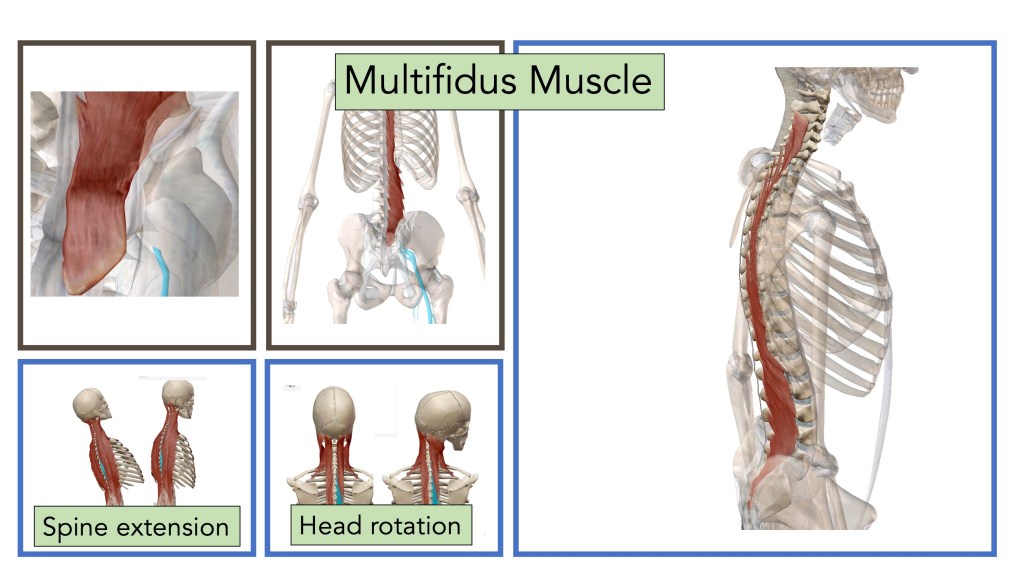
The Lumbar Multifidus Muscle: As described by Wang et al.,(2021) “65-85% of the population suffer from low back pain, which is highly related to lumbar degenerative disease…Studies showed that most patients with lumbar degenerative disease had atrophy of multifidus muscle and fat infiltration.” The lumbar multifidus is a slender muscle that resides deep within the layers of our lower back and it is important for long-term spinal stability and strength.
The lumbar multifidus provides support and stability to the lumbar spine. It accomplishes this by controlling the movement of individual vertebrae, preventing excessive motion, and maintaining proper alignment. Think of these two simple motions, spine extension and head rotation, the multifidus is there tying to protect the spine.
“As a sportsman, I accept being beaten. Everybody tries to be a winner, but only one in a race will win. It’s fun to win. But I don’t find unhappiness if I lose.” Kipchoge Keino
Some Stretching Exercises that may Prove Useful in Dealing with Muscle Rigidity of the Psoas, Piriformis, Quadratus Lumborum, and Lumbar Multifidus: I am not a physical therapist. My knowledge is based on a life-long commitment to exercise and trying to understand the pathophysiology of Parkinson’s. If you are a person (people)-with-Parkinson’s (PwP) and have issues with ANY of these muscles, seek guidance from your Neurologist and Physical Therapist. I trust them over me. Below are links to two sets of YouTube videos for each muscle that demonstrate exercises to stretch these muscles.
Piriformis:
•How to do a Piriformis stretch (click here)
•How To Get Rid Of Piriformis Pain Fast & Forever (Complete Understanding) (click here)
Lumbar Multifidus:
•2 Great Multifidus and Lumbar Extensor Exercises for Low Back Pain (click here)
•BEST Low Back Exercise for Side BACK PAIN: Strengthen your Multifidus by doing the Bird Dog exercise (click here)
Psoas:
•Psoas Stretch: 3 Hip Flexor Stretches & Anatomy (click here)
•7 Amazing Stretches To Release The Psoas Muscle (FULL ROUTINE!) (click here)
Quadratus Lumborum:
•10 QL Stretches to Relax Your Spine (click here)
•Top 5 Lumbar Spinal Stenosis Exercises & Stretches (click here)
“I’d rather have more heart than talent any day.” Allen Iverson
But why the Psoas, Piriformis, Quadratus Lumborum, and Lumbar Multifidus? Is it just me, or are these commonly strained muscles in Parkinson’s? When I look at the anatomic locations of these muscles, they look to me as either a foundational sort of muscle (e.g., multifidus), where the multifidus acts like a shock absorber to maintain the lumbar spine’s integrity. Secondly, they are bridging between physiological structures (e.g., psoas, quadratus lumborum, and piriformis). The quadratus lumborum links the rib cage to the pelvis. The piriformis helps the femur turn during hip flexion. The psoas unites the upper and lower parts of the body. Thus, if we assign intelligence to Parkinson’s, disturbing the integrity of any one of these four muscles would contribute to pain and burden.
Interestingly, prolonged sitting makes most of these muscles’ actions worse. This is exactly what Parkinson’s wants to happen: sit too long, these muscles tighten up, and you move to sedentary behavior. Parkinson’s is way ahead because you may not want to get up and move. So get out of the chair, stretch frequently when one of these muscles is perturbed, and seek help from a physical therapist with knowledge of Parkinson’s.
“Winners win in life because they win the battle in their mind first!” Tony Gaskins
Summary: Trueth and Duncan (2021) reviewed musculoskeletal pain in Parkinson’s. They found that lower back pain was one of the most common sites of musculoskeletal pain in people with Parkinson;s. The percent of pain in PwP exceeded age-matched adults without Parkinson’s. As would be expected, PwP with lower back pain have greater problems performing the activities of normal living; thus, they had a reduced quality-of-life. Muscle pain with the muscles described here would radiate pain near the lower back.
The Davis Phinney Foundation (click here) says to deal with rigidity and Parkinson’s is to exercise, perform yoga, take a warm bath with Espsom salt, and get some physical therapy. All are wonderful options when dealing with muscle rigidity and Parkinson’s. Remember, get up, get moving, keep moving, and stay ahead of Parkinson’s because you exercise.
References:
Siccardi MA, Tariq MA, Valle C. Anatomy, Bony Pelvis and Lower Limb: Psoas Major. [Updated 2023 Aug 8]. In: StatPearls [Internet]. Treasure Island (FL): StatPearls Publishing; 2024 Jan-. Available from: https://www.ncbi.nlm.nih.gov/books/NBK535418/
Chang C, Jeno SH, Varacallo M. Anatomy, Bony Pelvis and Lower Limb: Piriformis Muscle. [Updated 2023 Nov 13]. In: StatPearls [Internet]. Treasure Island (FL): StatPearls Publishing; 2024 Jan-. Available from: https://www.ncbi.nlm.nih.gov/books/NBK519497/
Bordoni B, Sina RE, Varacallo M. Anatomy, Abdomen and Pelvis, Quadratus Lumborum. [Updated 2024 Jul 17]. In: StatPearls [Internet]. Treasure Island (FL): StatPearls Publishing; 2024 Jan-. Available from: https://www.ncbi.nlm.nih.gov/books/NBK535407/
Wang X, Jia R, Li J, Zhu Y, Liu H, Wang W, Sun Y, Zhang F, Guo L, Zhang W. Research Progress on the Mechanism of Lumbarmultifidus Injury and Degeneration. Oxid Med Cell Longev. 2021 Feb 26;2021:6629037. doi: 10.1155/2021/6629037. PMID: 33728023; PMCID: PMC7936897.
Tueth LE, Duncan RP. Musculoskeletal pain in Parkinson’s disease: a narrative review. Neurodegener Dis Manag. 2021 Oct;11(5):373-385. doi: 10.2217/nmt-2021-0011. Epub 2021 Aug 19. PMID: 34410146; PMCID: PMC8515213.
“Win or lose you will never regret working hard, making sacrifices, being disciplined or focusing too much. Success is measured by what we have done to prepare for competition.” John Smith
Cover photo Image by njbateman526 from Pixabay


Frank, I think this is one of the least discussed areas by my MD. I have found REAL relief in an highly intuitive massage therapist. I strongly encourage PD patients to find that person for themselves. I am able to have insurance pay of this because the Massage Therapist works for a Doctor who wrote an Rx for massage therapy. I know everyone doesn’t have this option. Recently, I’ve added Yoga to my weekly routine. I’ve resisted this for years mostly due to pride. Now that I am doing it weekly, I can’t believe how much better I feel. I’ve been able to stop seeing a professional stretcher.
Clearly, we have to find what works for us. I still struggle with huge energy drops almost daily.
Thank you as always for your wisdom, insight and understanding.
LikeLike
Tommy, appreciate your reply. Finding a good massage therapist, that’s a great option.
LikeLiked by 1 person
I’m not on any PD meds but I do take 500 mg of taurine daily which helps with muscle cramping and rigidity.
LikeLike
Thanks for sharing. Taurine has some interesting properties in Parkinson’s, I’m glad it’s helping you.
LikeLike