

“If we did all the things we are capable of doing, we would literally astound ourselves.” Thomas A. Edison
“The only sure way to avoid making mistakes is to have no new ideas.” Albert Einstein
Introduction: This is a 3-part story: first, how combining exercise with a polyphenol-rich food source (please keep reading) can enhance neuroprotection; second, what polyphenol-rich foods are and why we should eat them regularly; and third, examples of polyphenol-rich meals.
- SCIENCE
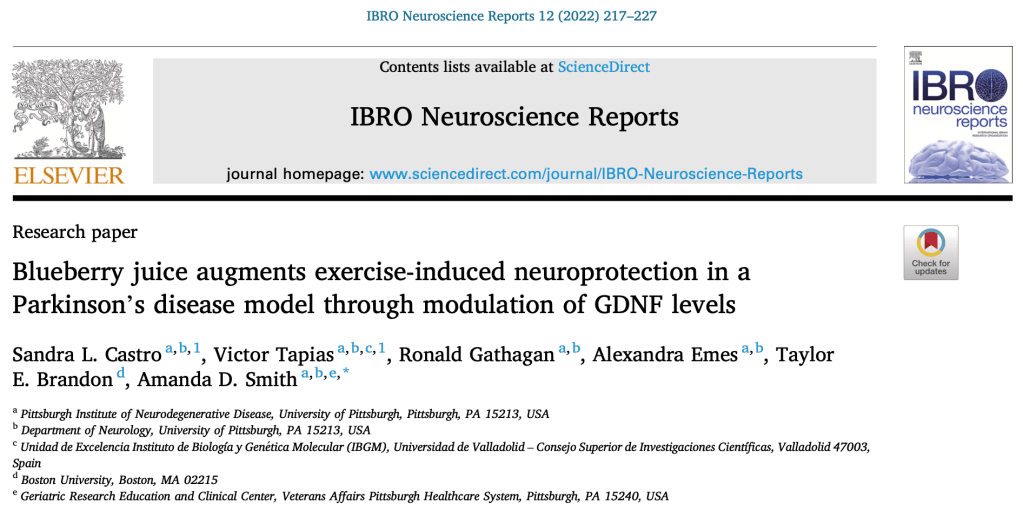
“The Idea” to Improve Your Health: This idea comes from a 2022 paper by Sandra Castro and associates (Castro SL, Tapias V, Gathagan R, Emes A, Brandon TE, Smith AD). Blueberry juice augments exercise-induced neuroprotection in a Parkinson’s disease model through modulation of GDNF levels. IBRO Neurosci Rep. 2022 Mar 7;12:217-227. doi: 10.1016/j.ibneur.2022.03.001. PMID: 35321527; PMCID: PMC8935512).
This is not ‘rocket science’; it is relatively easy and straightforward to understand. Importantly, it has not been tested in humans; it is being tested in rats and a well-known model that produces Parkinson’s. The advantage of this method is the ability to control the amount of exercise, the wealth of data that could be obtained, and the simple fact that rats (and mice) absolutely love to exercise on a training wheel. Apparently, they also really like blueberry juice.
“When life takes the wind out of your sails, it is to test you at the oars.” Robert Breault
Designing the Experiments: The hypothesis they tested was whether adding blueberry juice to the exercise group would provide additional neuroprotection (or response) compared with exercise alone or blueberry juice alone. The illustration below highlights the paper’s major findings.
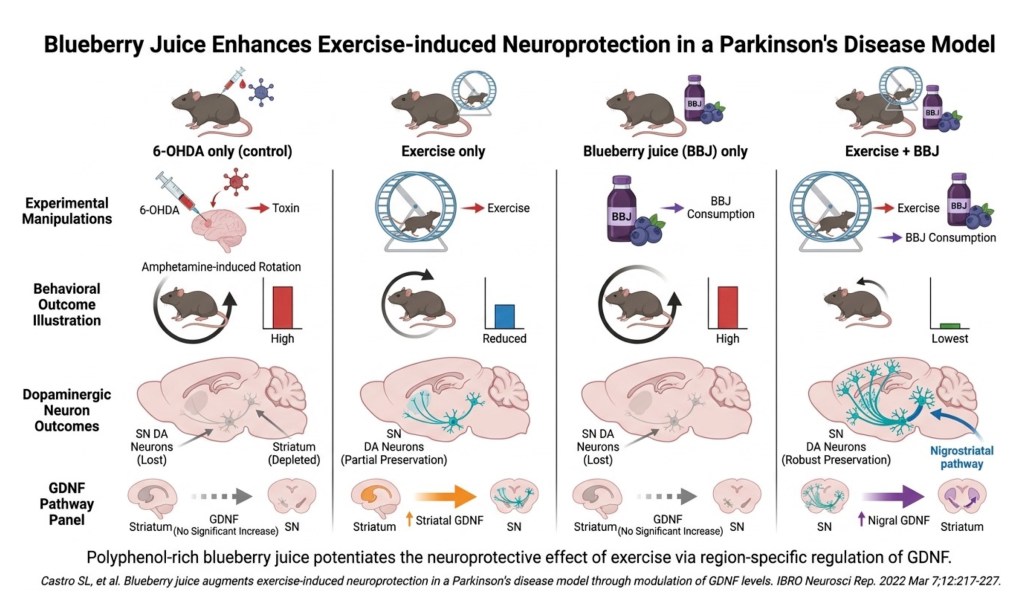
•6-Hydroxydopamine (6-OHDA) is a synthetic neurotoxin used in scientific research to selectively destroy dopaminergic and noradrenergic neurons. 6-OHDA was injected into the striatum (a core component of the basal ganglia). This neurotoxin produces a Parkinson’s-like disease in rats.
•Amphetamine-induced rotational behavior is a measure of the loss of dopamine neurons. Rats with functional neurons do not show rotational behavior when exposed to amphetamine, whereas those induced by 6-OHDA lesions did rotate. Exercise decreased amphetamine-induced rotation by 42%, and interestingly, combining exercise with blueberry juice reduced rotation by 80%.
•The enzyme tyrosine hydroxylase (TH) was measured in the striatum by immunoreactive fiber density to demonstrate the integrity of the nigrostriatal pathway. 6-OHDA treatment reduced TH to 27.55 compared to controls. Interestingly, individually, blueberry juice or exercise did not change this loss of striatal TH; however, in combination, striatal TH increased to 45.7%, representing a 66% increase compared to 6-OHDA-treated sedentary rats.
•TH cell counts in the substantia nigra (SN) were determined to further explore the level of neuroprotection. After 6-OHDA, DA neurons in the SN were substantially lost, and both exercise and exercise with blueberry juice provided significant protection.
•Glial cell-line-derived neurotrophic factor (GDNF) protein levels in the SN and striatum were measured by dissection of tissue by ELISA. They measured GDNF levels to see whether an increase in this neurotrophic agent was partly responsible for the neuroprotection. GDNF protein levels in the SN did not change significantly with blueberry juice or exercise alone; however, combining them increased GDNF levels by 141% (compared to sedentary controls). Striatal GDNF levels were increased by 48% compared to sedentary animals. Interestingly, blueberry juice reduced GDNF levels compared to controls, and blueberry juice decreased the GDNF levels that exercise provided.
“You have to train your brain to be positive just like you work out your body.” Shawn Achor
Major Results of the Study:
Enhanced Neuroprotection– Combining exercise (running) with blueberry juice reduced Parkinsonian-like behavioral deficits, including drug-induced rotation.
GDNF Modulation– Exercise alone increased GDNF in the striatum, but adding blueberry juice shifted and increased GDNF expression in the substantia nigra, the critical brain region affected by PD.
Polyphenol Cooperation- The findings suggest that dietary polyphenols in blueberries can enhance the natural protective mechanisms that physical exercise activates.
“I will do nothing lightly. When I walk, I will walk heavily. When I fight, I will fight with conviction. When I speak, I will speak strongly. When I feel, I will feel everything. When I love, I will love with everything.” Evan Tanner
2. DIETARY POLYPHENOLS
The Importance of Polyphenol-rich Fruits, Vegetables, Herbs, and Spices: long before Walgreens and CVS, Mother Nature provided an amazing medicine cabinet: many of the foods we eat contain polyphenols. For thousands of years, Ayurvedic and other medical practitioners have used polyphenols in herbs and spices to create potent medicinal treatments.
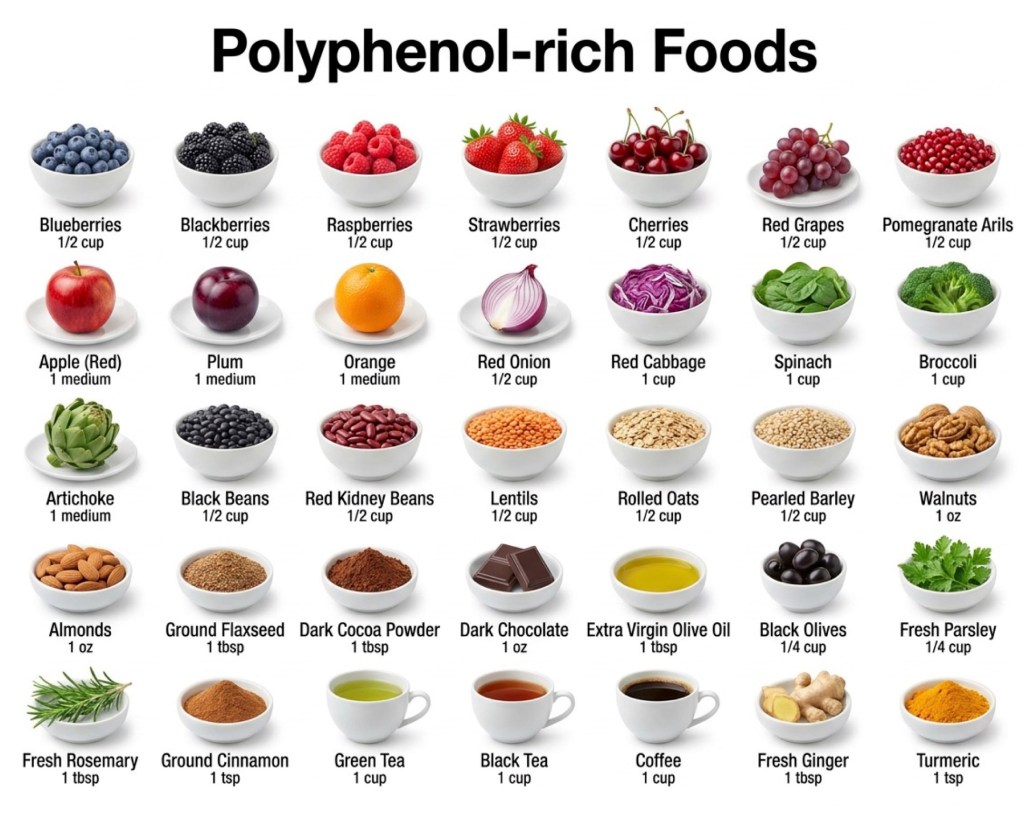
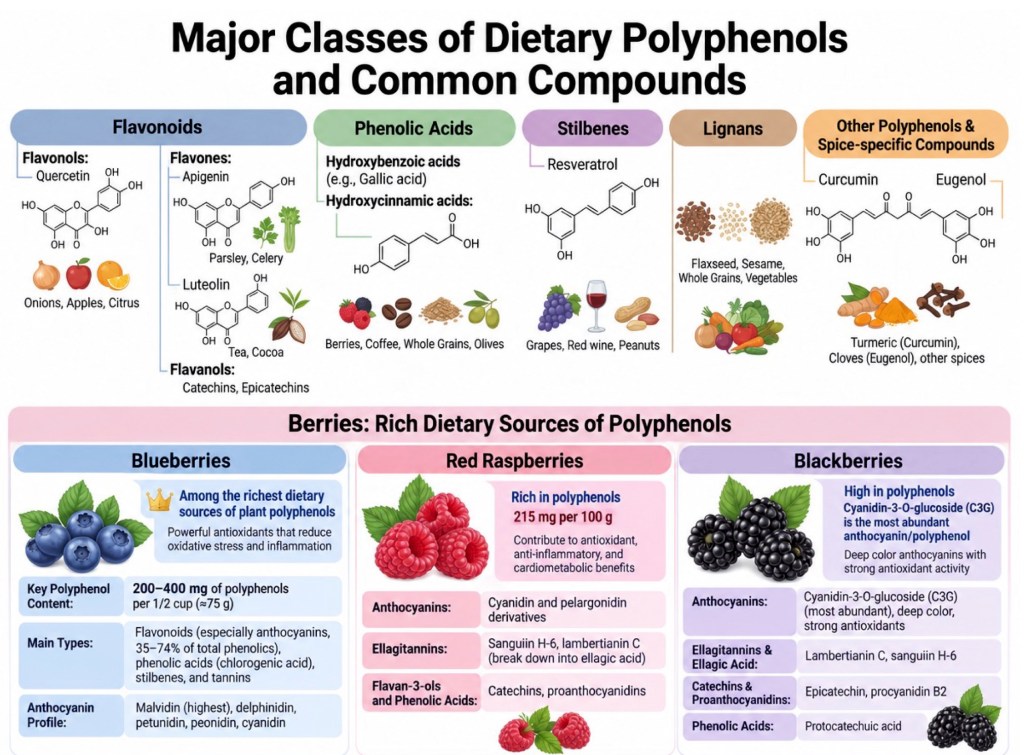
The figure below shows many of the best-known polyphenol-rich foods. For me, it’s a cornucopia of my absolute favorite foods, even with Parkinson’s.
“Anytime we step out boldly to make changes, we take a chance that we might fail. But the only way to get better is to try.” Joyce Meyer
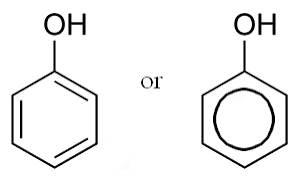
What are Some Common Polyphenol Compounds, and What is Their Biological Action? You have likely heard of, or may even have used, some of these substances, including Resveratrol, Curcumin, Quercetin, Apigenin, and EGCG (epigallocatechin gallate). What all these substances share is the phenol ring, which is usually depicted in one of the forms below:
Polyphenol-containing molecules are grouped into several classes, as illustrated below:
I can remember many years ago working with a summer undergraduate student in the lab, and her project was to measure the effect of various dietary polyphenols when added to the tissue culture media for several breast cancer cell lines. The compounds were remarkably potent; however, unlike most substances that have only ‘one type’ of action, most of the polyphenolic substances had a diverse array of ways to kill a cancer cell, including perturbing proliferation, oxidative processes, and inflammatory functions. It just looks like each dietary polyphenol has activities focused on several biological processes, and for sustaining dopaminergic neurons under assault by Parkinson’s, the broad nature of action turns out to be a positive.
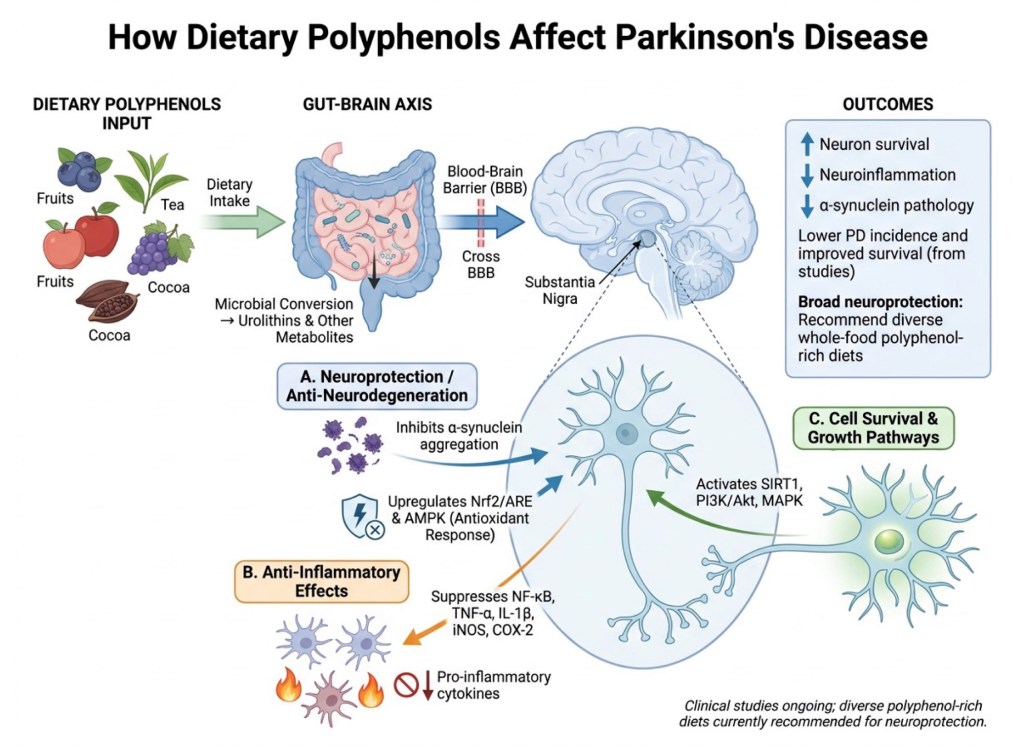
The figure below illustrates the major mechanisms by which dietary polyphenolic compounds can interfere with the progression of Parkinson’s disease. At least in model systems, the outcome of dietary polyphenols is to enhance neuronal survival, reduce neuroinflammation, and lower the incidence of α-synuclein polymerization. In each case, specific cell signaling processes are either activated or inhibited, which contributes to this biological action.
How can Dietary Polyphenols Enhance the Impact of Exercise: This blog post has been written due to the experiment described at the start, showing that bueberry juice ehanced the neuroproective infuence of exercise in a rat-moel of Parkinson’s. Wheras bluberry juice alone had little effect when compared to the appropriate controls.
Their results suggest that combining exercise with polyphenol-rich foods may confer greater neuroprotective benefits than either intervention alone. In this experiment, rats exercised vigorously. Although intense exercise has long been considered necessary for protection, it remains unclear whether this level of intensity is also needed when exercise is paired with a polyphenol-rich diet. If lower-intensity exercise combined with polyphenol intake provides greater benefits, this could be clinically significant: people unable or unwilling to exercise at such high levels might still benefit from the combined therapy.
“Most of the shadows of this life are caused by standing in one’s own sunshine.” Ralph Waldo Emerson
3. COOKING WITH FRANK
I learned to cook in graduate school to survive. I enjoy cooking but not cleaning. I have learned to balance them both as an older adult. This section is not a tutorial for cooking with dietary polyphenols. One look at the chart titled “Polyphenol-rich Foods” should instantly suggest some of your favorite recipes. Mine would include Louisiana-style Red Beans & Rice.
But today, I am just going to describe two recent meals that I have prepared for dinner and lunch. Again, I am not a dietician, and giving you this food description is not meant to necessarily follow all the suggested guidelines for eating healthy with Parkinson’s. I still use dairy products (milk, cheese, butter, etc.). If they helped cause my Parkinson’s, then continuing to eat these products probably won’t make that much of a difference because the remaining neurons are used to them!
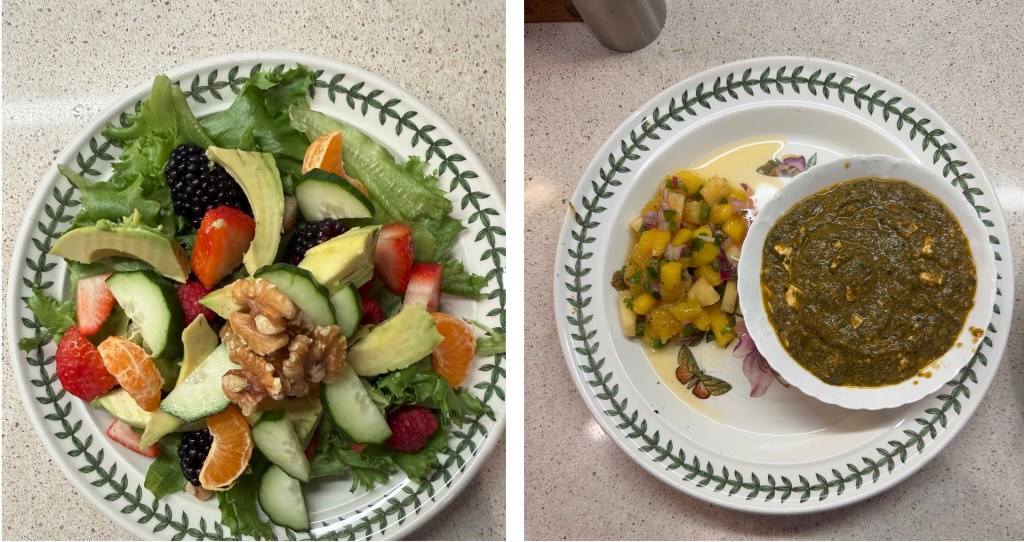
Dinner: Palak Paneer (Indian-style cubed cheese in a creamed spinach sauce) and a salad with raspberries, blackberries, strawberries, avocado, mandarin orange, English cucumber, and walnuts, served on a bed of lettuce and topped with balsamic vinaigrette. Normally, I would also add feta on top, but I was out of it. On the side, we had a salad with mangoes, pineapple, red onion, jalapeño, cilantro, and limes.
Here is a picture of the dinner and salad:
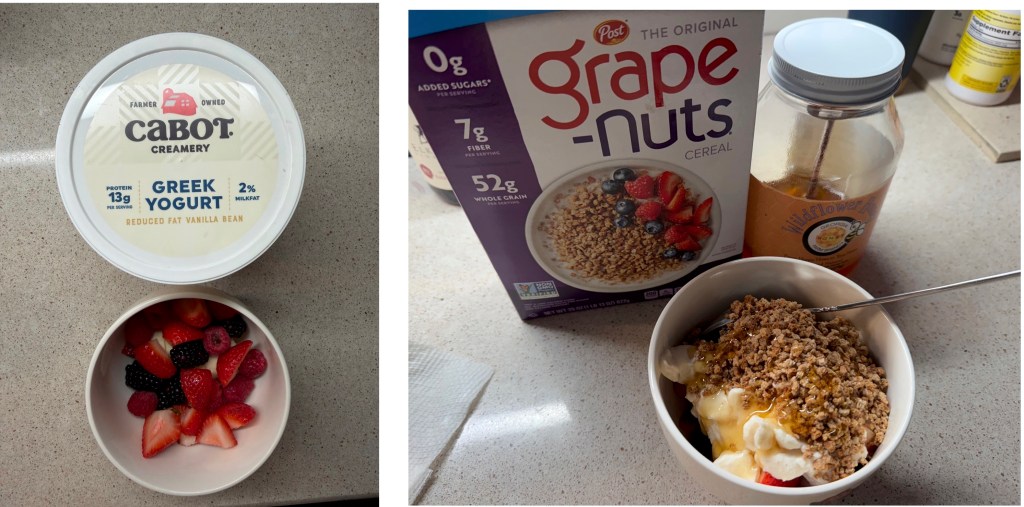
Lunch: a bowl of strawberries, blackberries, and raspberries, topped with yogurt, honey, and Grape-nuts. We have access to several local farms that grow a lot of fruit/vegetables. For instance, we had an amazing year for peaches and blackberries. The variety of polyphenol-rich foods is large, and making meals with them shouldn’t be a huge problem.
Here is a picture of the lunch yogurt and fruit:
“Accept everything about yourself – I mean everything, You are you and that is the beginning and the end – no apologies, no regrets.” Henry A. Kissinger
Concluding Remarks: This blog post aimed to highlight how combining exercise with a diet rich in polyphenol-containing foods may enhance neuroprotection. These foods are not new to research: scientists have studied their effects on cells, tissues, and animal models, as well as in human clinical trials. We know exercise can improve motor and non-motor symptoms, and the literature offers ‘hints’ that adding dietary polyphenols to exercise could make life with Parkinson’s even better than exercise alone. Happy exercising and happy eating!
“The road of your life will take many paths and go through many intersections. Your life map will be different from my life map. However, we have the same carry-on luggage named Parkinson’s, and how it weighs us down will affect our life path. Stay strong, focused, and persistent. Journey on.” Frank C. Church
Cover Photo Image by Frank Winkler from Pixabay

